
No products in the cart.
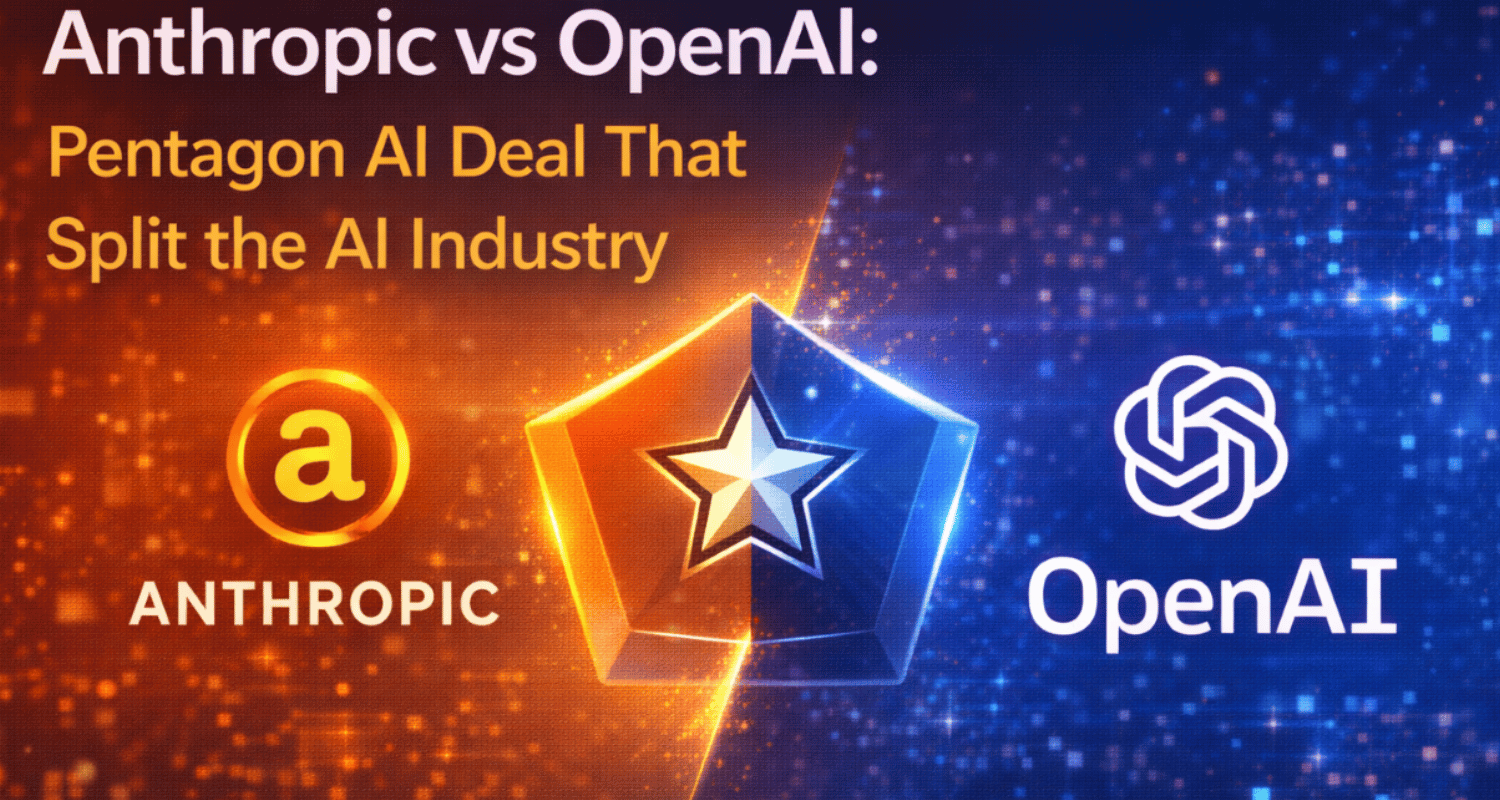
PENTAGON’S DANCE WITH ANTHROPIC AND OPENAI
Dancing with the Future: The Pentagon’s AI Partnership
Imagine a world where artificial intelligence is not just a tool, but a strategic partner in national defense. The Pentagon, the US military’s headquarters, has indeed taken a significant step in this direction by partnering with Anthropic and OpenAI, two of the leading AI research organizations. This collaboration has sparked both excitement and concern, with many questioning its implications for the future of national security and the development of AI.
Why AI Matters for National Defense
For decades, the Pentagon has relied on traditional methods of warfare, such as tanks, planes, and missiles. However, the modern battlefield is increasingly characterized by cyber warfare, drones, and artificial intelligence. In this context, AI can play a crucial role in enhancing military operations, from predictive analytics to decision-making. By partnering with Anthropic and OpenAI, the Pentagon aims to develop more advanced AI capabilities, which can help it stay ahead of potential adversaries.
The Partnership: What’s at Stake
The partnership between the Pentagon and Anthropic/OpenAI is not just about developing new AI tools. It’s also about creating a new framework for collaboration between the military and the private sector. By working together, the Pentagon can leverage the expertise of leading AI researchers, while Anthropic and OpenAI can gain access to classified data and resources. This collaboration has the potential to accelerate the development of AI in a range of areas, from natural language processing to computer vision.
The Impact on AI Research
The Pentagon’s partnership with Anthropic and OpenAI has significant implications for the future of AI research. By working with the military, researchers can gain access to resources and data that are not typically available in the private sector. This can lead to breakthroughs in areas such as AI safety, explainability, and fairness. At the same time, the partnership raises questions about the ethics of AI research and the potential risks of creating powerful AI systems.
The Future of AI in National Defense
As the Pentagon continues to develop its AI capabilities, it’s essential to consider the potential implications for national defense. One possibility is that AI will become a key component of future military operations, enabling more effective and efficient decision-making. Another possibility is that AI will create new vulnerabilities, which can be exploited by adversaries. By partnering with Anthropic and OpenAI, the Pentagon is taking a critical step towards navigating this complex landscape.
Getting Involved in AI Research
If you’re interested in exploring AI research and its applications in national defense, there are several resources available. At smrai.io, we offer a range of articles and guides on AI and its impact on society. You can also explore the work of leading AI researchers, such as those at Anthropic and OpenAI, to learn more about the latest developments in AI.
[FAQ]
Q: What is the purpose of the Pentagon’s partnership with Anthropic and OpenAI?
A: The partnership aims to develop more advanced AI capabilities for national defense, while also creating a new framework for collaboration between the military and the private sector.
Q: How will the partnership impact AI research?
A: The partnership has the potential to accelerate the development of AI in a range of areas, from natural language processing to computer vision. However, it also raises questions about the ethics of AI research and the potential risks of creating powerful AI systems.
Q: What are the implications of AI for national defense?
A: AI has the potential to enhance military operations, but it also creates new vulnerabilities that can be exploited by adversaries. The Pentagon’s partnership with Anthropic and OpenAI is a critical step towards navigating this complex landscape.








Add comment