
No products in the cart.
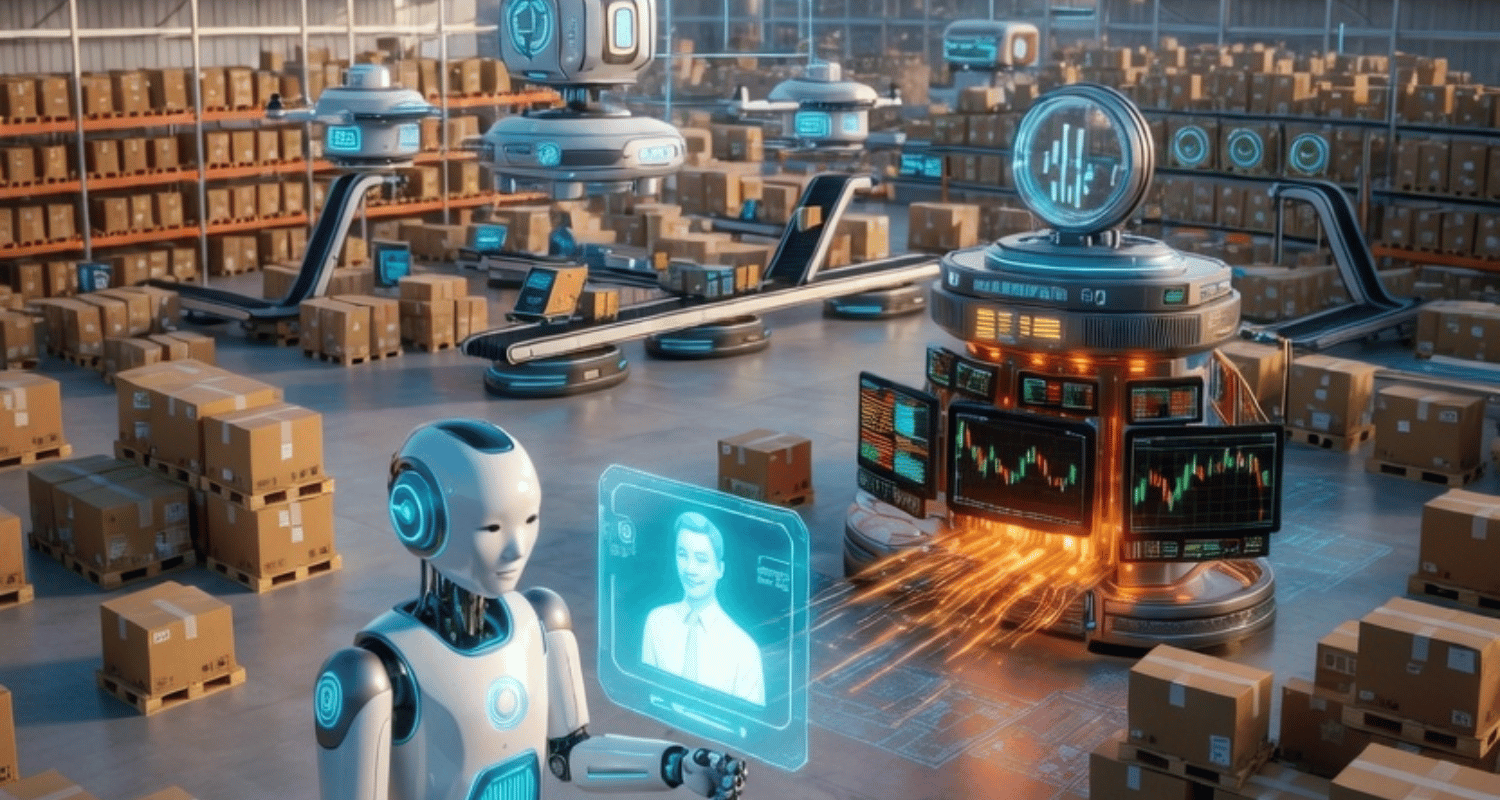
Learning with the tools is a worthwhile investment in your knowledge of modern AI. Take a deep look at how the technology, built for humans.
Is changing your face about which tools you can use to work with the real world.
We might just be a group of adults, but the most important thing is to get an open mind. Start with real-world technology since this doesn’t mean you’ve been in contact with an audience. Seriously. That’s the point. I bet most people haven’t even considered this angle.
The Rise of Autonomous AI Tools
AI tools are designed to operate independently, using machine learning algorithms and data analysis to make decisions and take actions. Unlike normal AI-powered software.
This takes explicit user input, these advancd tools can anticipate and react to changing situations.
Benefits of Autonomous AI Tools
The benefits of autonomous AI tools are numerous:
- Increased productivity and efficiency
- Improved accuracy and reduced errors
- Enhanced decision-making capabilities
- Increased scalability and adaptability
- Applications of Autonomous AI Tools
Autonomous AI tools are being applied across various industries, including:
- Customer service and support
- Predictive maintenance and repair
- Supply chain management and logistics
- Financial analysis and forecasting
- How to Use Autonomous AI Tools
To harness the power of autonomous AI tools, organizations can:
- Integrate AI-powered software into existing workflows and systems
- Develop custom AI solutions tailored to specific business needs
- Leverage cloud-based AI platforms for scalability and flexibility
- Impact on the Future
The rise of autonomous AI tools will have a profound impact on the future of work, with potential implications for:
- Job displacement and creation
- Shifts in workforce skills and training requirements
- Changes in organizational structures and management styles
- FAQs
Q: What is the difference between autonomous AI tools and traditional AI-powered software?
A: Autonomous AI tools operate independently, using machine learning algorithms to make decisions and take actions, whereas traditional AI-powered software requires explicit user input.
Q: How can organizations implement autonomous AI tools in their existing workflows?
A: Organizations can integrate AI-powered software into existing systems, develop custom AI solutions, or leverage cloud-based AI platforms for scalability and flexibility.
Q: Will autonomous AI tools replace human workers?
A: While autonomous AI tools will certainly change the nature of work, they will also create new job opportunities and require workers to develop skills that complement AI capabilities.
By embracing autonomous AI tools, businesses and organizations can unlock significant productivity gains, improved decision-making, and enhanced competitiveness in the market. As AI continues to evolve and improve, the possibilities for innovation and growth will only continue to expand.






Add comment