
No products in the cart.
The face of SEO (search engine optimization) changes with AI. Machine learning powered tools are here promising to automate advanced processes, reveal deeper insights, and get your site to the top of Google quicker than previously imaginable. But there are so many options to choose from in the market that it can be overwhelming. This step-by-step guide walks you through a model of AI search optimization tool comparison The goal here is to provide you with enough information so when it comes time for you to make a decision, we help you pick the platform that aligns most closely with your business goals and your company’s marketing strategy.
So we are going to help walk you through what features to look for, how to evaluate their capabilities, and why the AI SEO tool is worth an investment. This will teach you how to use these powerful properties to have your sites show up and produce results.
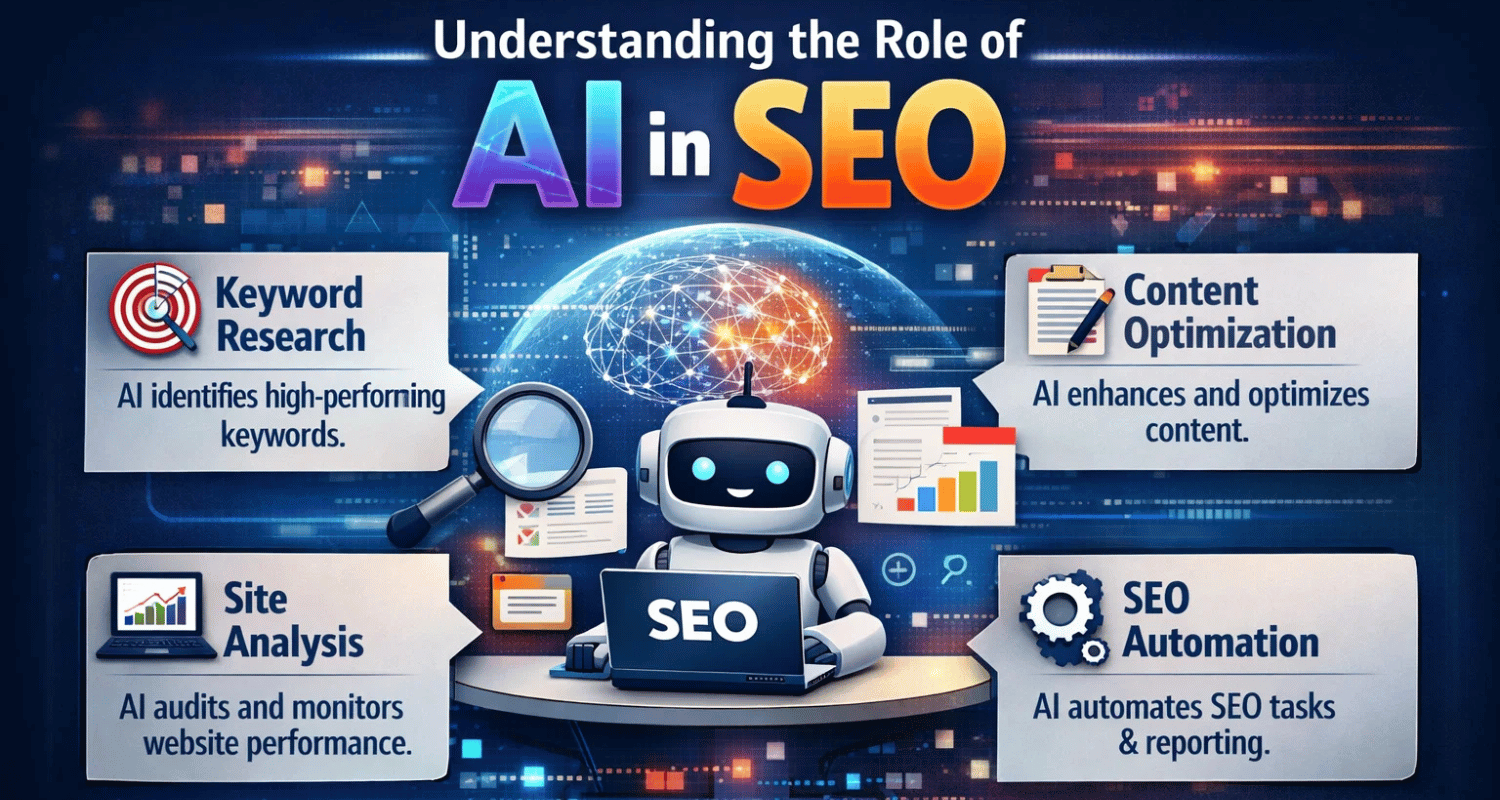
Understanding the Role of AI in SEO
Let’s take a closer look at what AI really brings us, before we go on to make that comparison. It isn’t automation for the sake of it, it is intelligent results analysis and prediction. These tools actually suggest useable recommendations after analyzing SERP and competitor site pages along with your own site analytics.
In digital marketing, SEO works to improve organic visibility and traffic. This is compounded by AI, where you’re getting exponential gains in:
Keyword Research:
High valued keyword, but not just long tails or semantically relativeness to the keywords that only humans can feel.
Content Writing:
Outline and draft SEO recommendations for Albanese.
Technical SEO:
Discover technical issues, like page speed and broken links or crawl errors, which may hurt your rank potential.
Competitor Analysis:
How it Helps Your Competitors to Succeed
Those are some of the tools that can help you ease your work and instead, keep yourself busy in strategy rather than getting caught up in a tedious process of manual data collection.
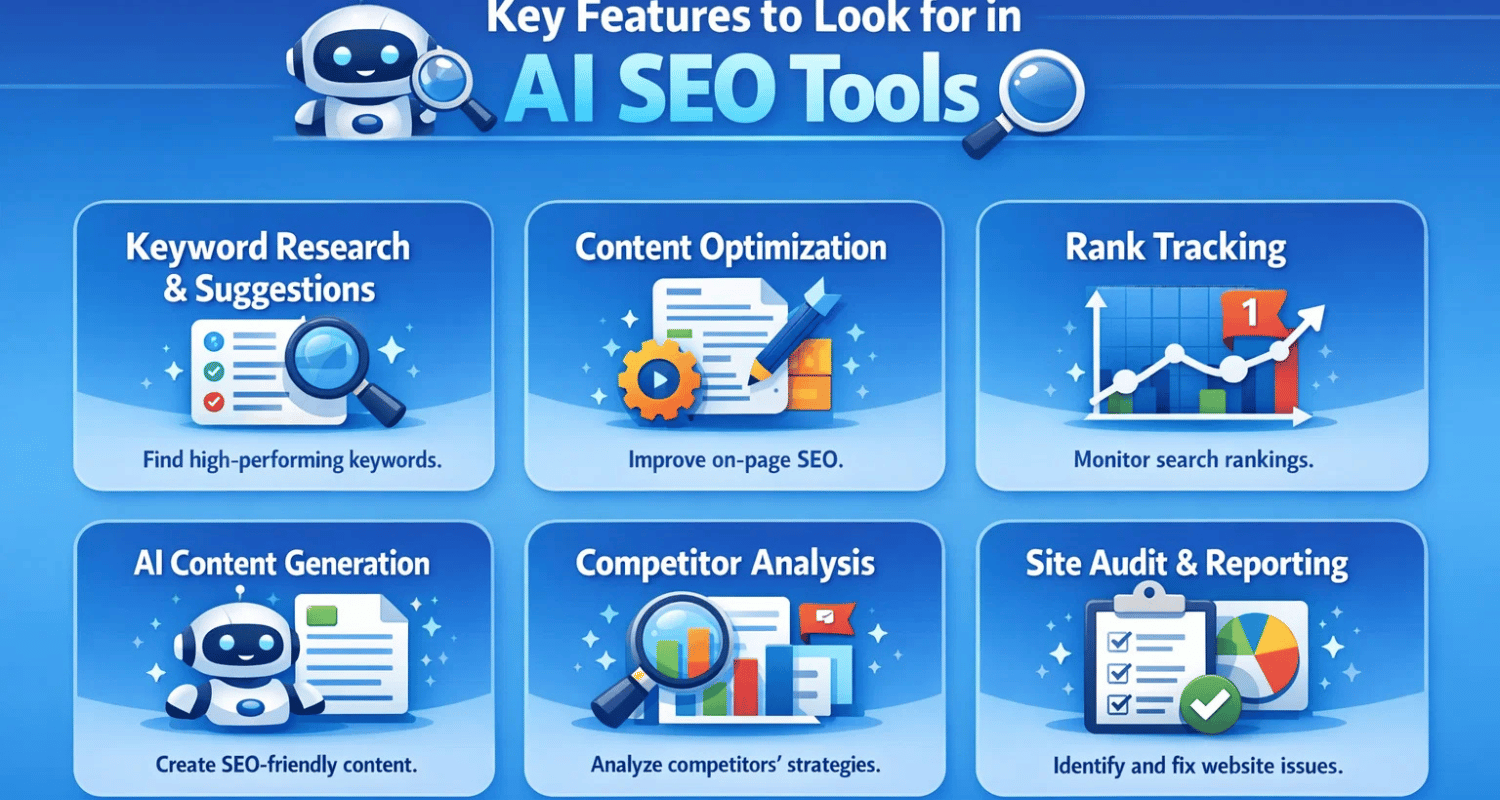
Once you get into comparing the platforms, there are a few key features that are just plain non-negotiable. Good, in this sense, means a rich AISEO tool that covers the full cycle of optimization.
Advanced Keyword Research and Targeting
That’s key to SEO:
if you don’t know what words your readers type into search boxes, then fight’s over already. A simple keyword-suggestion feature is not what makes up a good AI tool. These alternative sources allow you to discover niche keywords using data such as search volume, keyword difficulty & user intent.
Consider these questions:
The tool will assist you in clearer defining what keywords should be targeted to your site on the level of relevancy and how high the chance is that it would converts traffic.
Can it help you steal some keywords from your competitors by revealing what they’re ranking for?
Or is it a guideline for how many keywords you should focus on with a single page?
A descent tool can help you find good keywords, and show you how to best place them in your sections and meta tags. It should be easy to insert SEO keywords onto the website’s HTML or via the CMS platform.
Content Optimization and Creation
AI is the kingmaker in a world where content reigns. The best AI tools come fully loaded with a host of powerful features that can drive your content strategy. These are not only standard recommendations such as “Find top-ranking pages” and “Generate briefs,” but also advice on creating SEO-able URLs and giving instant feedback on writing.
A major advantage:
it has a visual tool that not only guides you in targeting keywords and on-page SEO, but also helps with your content strategy directly in the editor. This tells you where to insert your keywords for SEO, ranging from the title and heading to content body, without keyword stuffing. The goal is to make content that benefits human visitors and it’s also machine friendly.
Technical SEO Auditing
A technically optimized website is first step of a successful SEO plan. So a good AI tool should actually crawl your site, as Google does, to find technical problems. This includes checking for:
Slow page load speeds
Broken links (404 errors)
Duplicate content
Improperly configured redirects
Mobile-friendliness issues
SEMrush Now:
SERP and Schema for Advanced SERP Features
Not only find the problems, but have a list of step-by-step instructions on EVERY problem you encounter so that you don’t go and hire a marketing company for every minor issue to help improve website SEO.
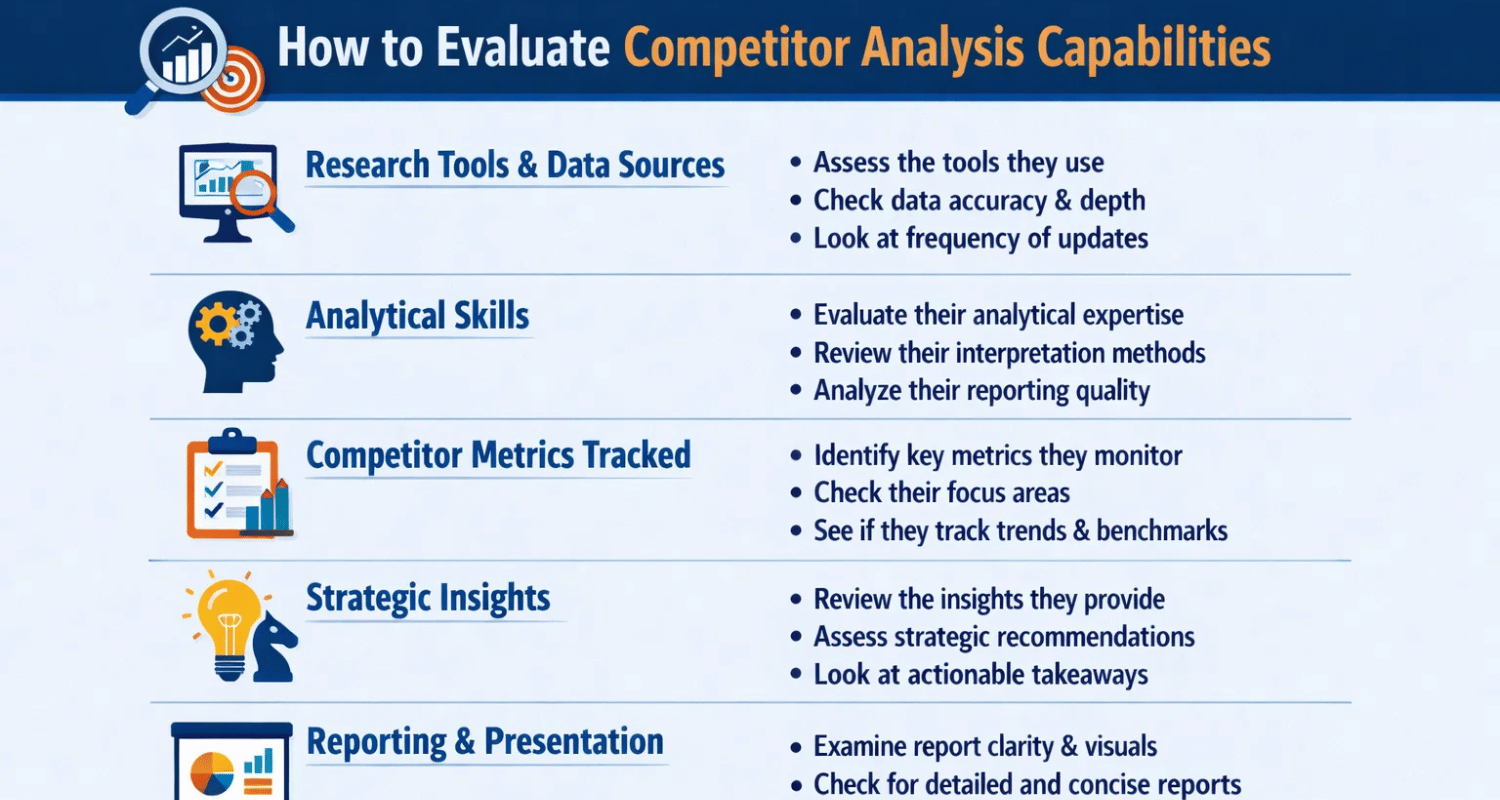
In order to beat them, you have to know them. It cannot be denied that a strong AI-based SEO tool will analyze your competitors in depth. This is more than just another website comparison; this is webpage competitive intelligence.
Spying on Competitor Keywords and Content
The first step is to find out what keywords my competitors are targeting. A good tool is going to allow you to input a competitor’s domain and show you the exact keywords they rank for in Google. This is the way you can ethically cannibalize people who are hitting your terms a lot, but they’re doing them with better content.
Seek for the following functions that you:
Find competitor keywords and estimated search traffic.
Study what content is most successful on their sites.
Discover backlinks from a paid and nofollow competitors instead of a single domain or URL.
Analyzing Competitor Advertising
The majority of AI SEO platforms go the extra mile with their analysis, discussing paid search also. Another excellent way to watch your competition’s Google outlay is to spy on how they’re doing in the Google search results – this shows their marketing advantage and resource allocation. Some advanced tools even allow you to spy on competitors’ Google Display ads and estimate their Google Ads budget, allowing you to get a complete picture of what they’re doing digitally. Not to mention being able to spy on your competition and the whole marketing campaign.
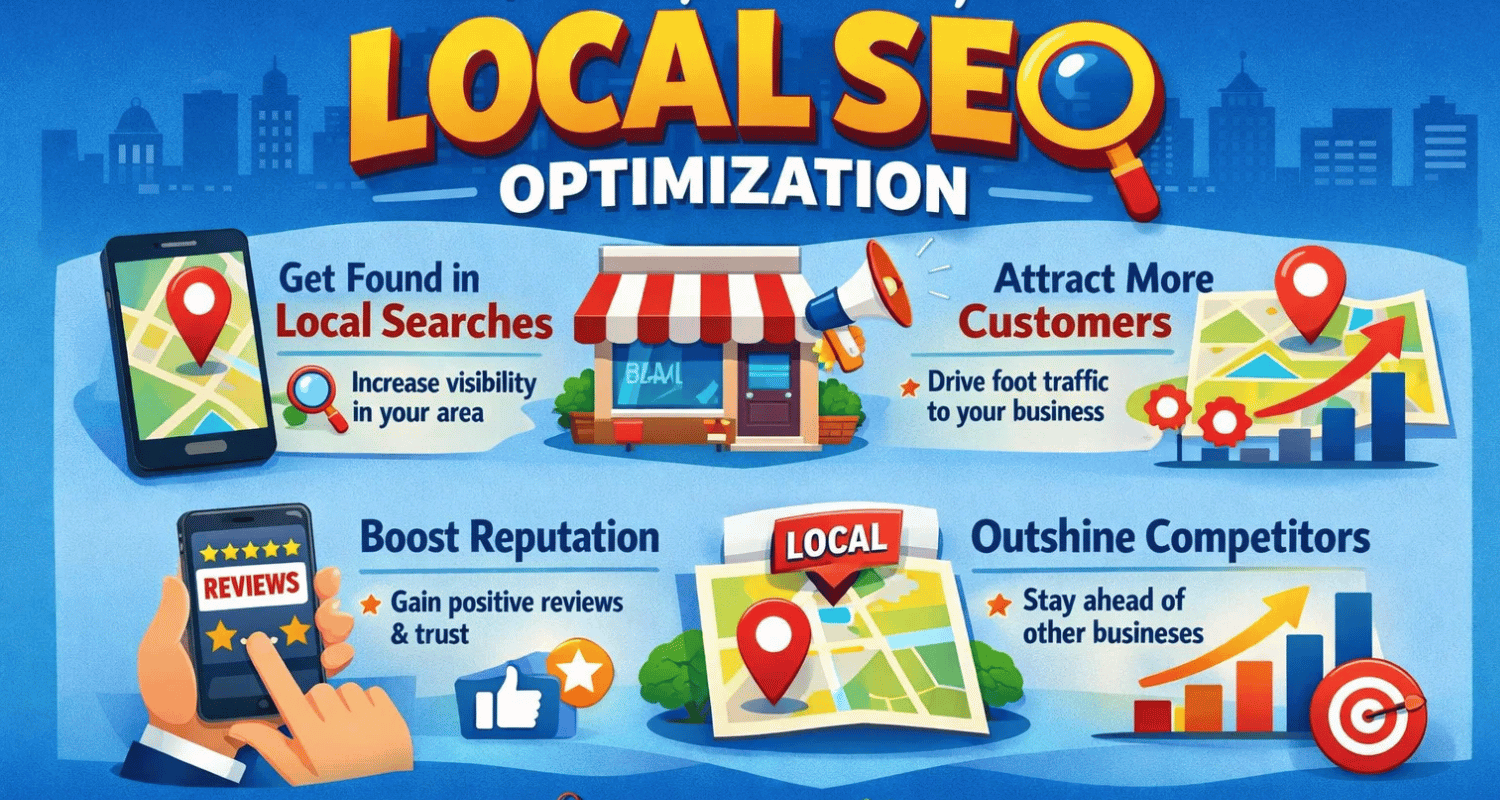
The reason why businesses show interest in local seo services is because if your site ranked locally, then there will be a significant impact on your business.
For companies with a ‘real world’ presence such as those on main street, local SEO is an extremely important marketing factor. This way, when somebody is searching for a service “near me,” you are the first result he sees. It’s What Local SEO Optimization Is, And Many of the New AI SEO Tools Have It Now
These features help you:
Optimize Your Google Business Profile: Do you know how to optimize your profile? If you are managing reviews, fixing info etc.
Track Local Keywords:
Monitor where your rankings are in the Google pack.
Control Citations:
Ensure you have Name, Address and Phone number (NAP) consistency across all directories.
The power of local SEO can work in favor of Google My Business ranking factors to increase foot traffic and local sales. Local search is obviously essential for lots of businesses, so ensure the tools you’re comparing have dedicated features for this.
How to tell if SEO is working? The answer lies in data. Great AI SEO tool has strong monitoring and reporting functionalities. You need to be able to measure how far you’ve come and prove your return on investment.
Tracking Keyword Rankings
At the most basic level, you should be able to see where your Google website ranking lines up against target keywords. The tool should allow you to:
Monitor your ranking on Google by keywords that matter to you and see where it takes you.
Learn how your placement changes due to algorithm updates or from your optimization activities.
Tag keywords by category or priority, or what have you.
It tells you what page I am on in google and something that I can capture to represent success.
Comprehensive SEO Reports
Find one that provides an SEO report card score. What To Include In An SEO Report:
Snapshot of organic traffic increase.
Changes in keyword rankings.
New backlinks acquired.
A new list of technical SEO issues.
It is supposed to connect with GSC and Google Analytics for correct information. For one, it’s great to be able to see information from Google Search Console straight in your SEO tool so you don’t have to click on different reports and browse through several dashboards, and get a fuller picture of how your site performs. Making these reports can be very effective at demonstrating to their own stakeholders that SEO marketing is worthwhile.
Finally, you also need to compare the cost of the tool with what it can bring back for your money. They’re also priced differently, from one off monthly subscriptions for solo entrepreneurs to packages for businesses.
When evaluating price, consider:
Feature Tiers: Even want all the bells and whistles (you’ll likely not use!) or do you just need a basic plan? Some tools have multiple SEO plans depending on projects, keywords tracked or the number of pages crawled.
User Restrictions:
How many staff members will need access to the software?
Scalability:
Scale with you the tool can? What seems like an answer for the cheap today is often expensive as you scale your use case.
You are ojt on traffic until their precious 2023. If it’s a tool that helps you rank on page one of Google for a high value keyword, the traffic and leads you will generate will more than pay for the subscription. Does SEO really work? It does, but the appropriate tool makes this so much easier!
Choose the right AI Search Optimization solution, and you can set your firm up for digital marketing success. As keyword research, on-page optimization, technical auditing and competitor analysis are some of the most critical features.
Keep track of whether each is making any kind of impact on local SEO and what their reporting looks like. It could be that your platform of chioce makes answering “how do you know if its working?” another easily intuitive actions in for itself. See at the end of the day It shouldn’t be about what’s cool or fun but rather, “what tool has all me to do the most with my dat,” while saving time and resources and being a joy to use. Take some time to compare your three options, employ those free trials and pick the platform that will best serve your purpose: getting found on the web.



Add comment